Sudanese Toab
2022-12-31
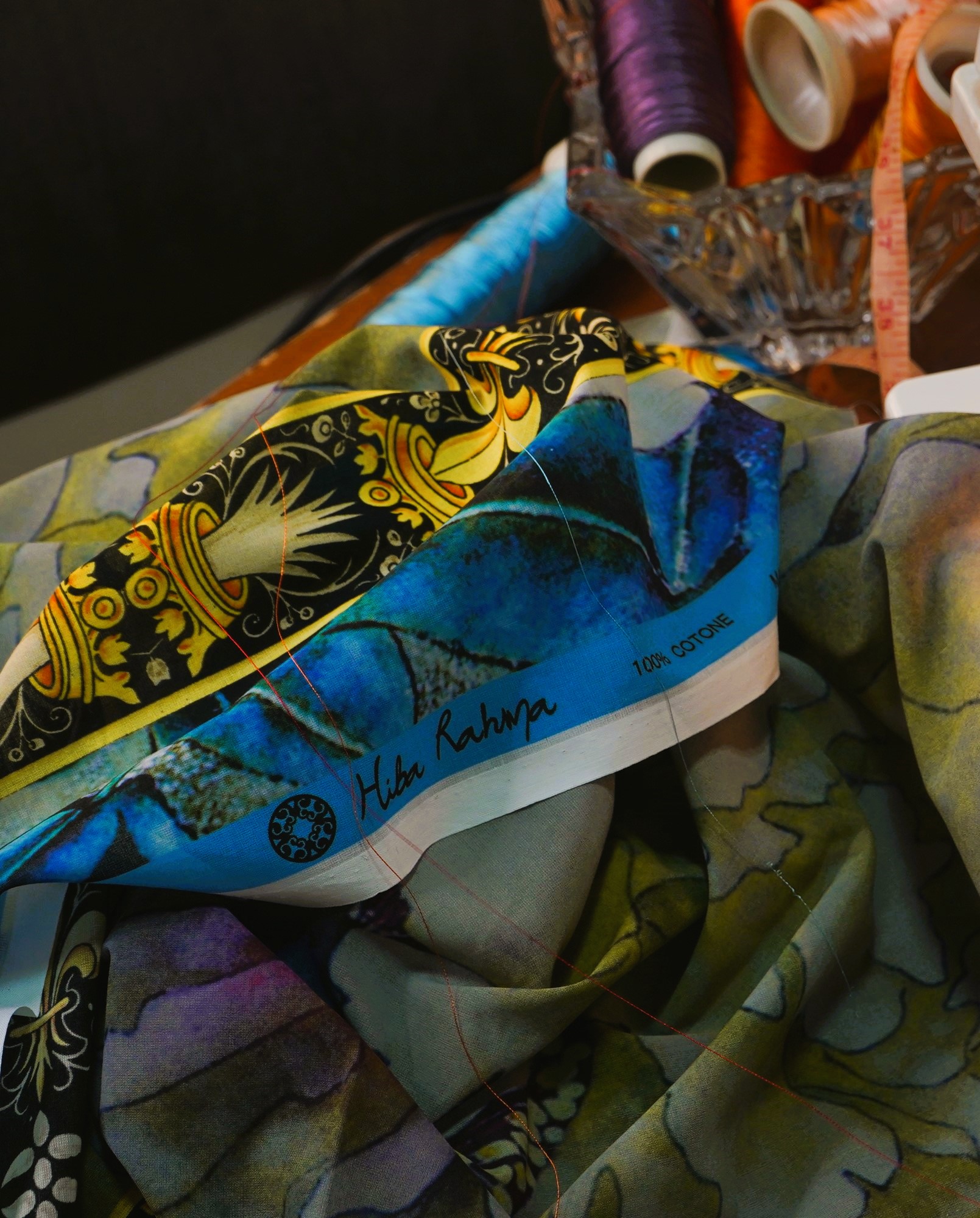
The textile industry is an old industry in Sudan. It started as a traditional rural household industry (also
known as mitrar), and it relied on imported yarn to produce furad (traditional clothes). The first textile
factory in Sudan was established with private capital in 1945 in the city of Anzara located in the
Equatoria state, it planned to produce 4-5 million yards. The textile industry developed in Sudan with
the establishment of the Sudanese Textile Factory (private sector) in 1962, followed by the
establishment of a number of other factories.
The Sudanese textile industry is dependant on the cotton crop, which was cultivated in the region a long
time ago. The fabric is formed by intertwining two sets of longitudinal and transverse threads with each
other at a right angle usually. A variety of textile techniques are used in accordance with different raw
materials and thread sizes, following precise and detailed specifications, in the light of which the desired
final shape of the fabric is produced. The warp is the threads of the fabric that extend longitudinally, the
weft is the threads of the fabric that extend transversally.
The loom is a manually or mechanically operated machine used in weaving the fabric. It basically
consists of parts by which the warp and weft thread groups can intertwine with each other to form the
woven (fabric).
There are three important compounds in woven fabrics: 1/ Plain, an examples of which is taffeta, total,
and poplin. 2/ Atlas, examples of which would be satin and organza. 3/Twill, for example jeans and
gabardine fabric.
The Sudanese textile industry did not have the appropriate conditions to grow and develop, so the
Sudanese textile factories did not operate at their full capacity except for few rare occasions. The
industry continued to deteriorate and decay to the point that it was about to disappear completely.
The reasons behind this deterioration were the high costs of production, low productivity, low quality of
the cotton grown in Sudan, the lack of interconnectedness between cotton cultivation and the textile
industry, the lack of attention paid to opening the markets necessary for the success and continuity of
this industry, in addition to foreign investors' reluctance to invest in this sector.
On the other hand, the continuous deterioration of the Gezira Scheme and the different unorganized
agricultural policies led to a significant decline in cotton cultivation and the textile industry. On top of
these problems is the problem of irrigation water, repairing its canals, the Gezira Scheme infrastructure
rehabilitation, and the slowdown that accompanied the raising of the Roseires Dam.

2022-12-31
2022-11-17

2022-10-19