Sudanese Toab
2022-12-31
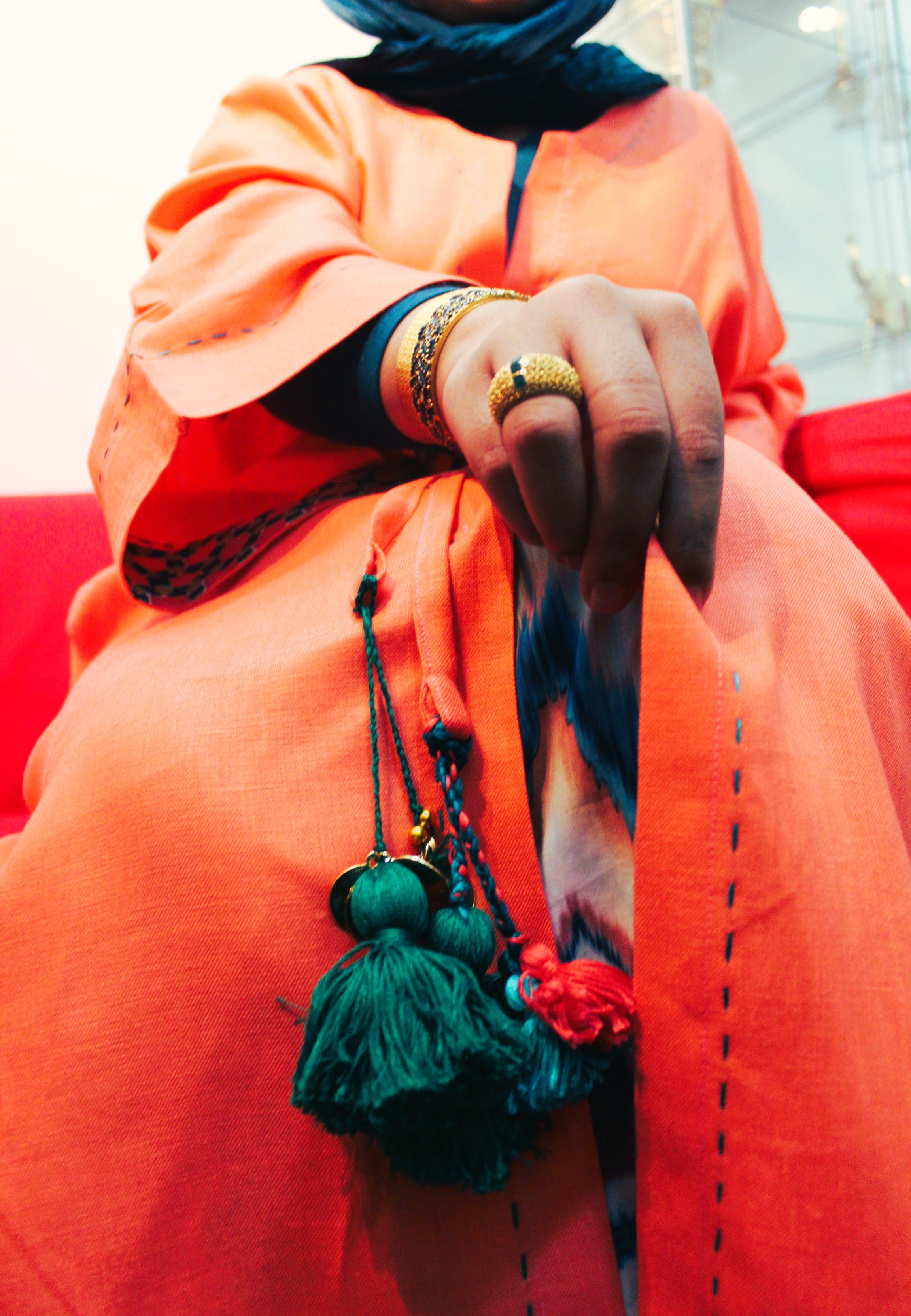
Linen is characterized by strength, durability, and longevity. It is one of the most prominent natural
fabrics in the world. It is distinguished by its practicality compared to most fabrics available in the
market. It is also lightweight and has large pores that allow air permeability. These distinctive qualities
make garments made of linen desirable in hot and humid climates.
Linen fabric is made from the flax plant which originates from ancient Mesopotamia. It grows in
temperate and subtropical regions. Poland, for instance, is home to six types of flax plant which
naturally grow in its climate, while other varieties are cultivated.
Flax-based fabrics are also distinguished by their antibacterial properties, resistance to electrical
charges, and being non-irritating for skin. They are hypoallergenic, create an ideal microclimate for the
skin, and what's more, the lignin in flax fibers does an excellent job of absorbing UV rays.
Many types of garments, like skirts and trousers, are made of linen, as it is very suitable for hot and
coastal areas.
It is also used for homewares and furniture, for its resistance, durability, and ability to withstand all
kinds of usage for several years.
However, if stored in places with high humidity and minimum sun exposure, it is subject to rotting. Linen
is also expensive because manufacturing it is much more time and resource-intensive than other fabrics.
The transportation of goods containing linen is also more expensive. And despite its toughness, it is
quick to wrinkle, which becomes apparent upon washing. So, it is always necessary to use an iron to
smooth it out before wearing. Moreover, due to being a strong fabric, sewing linen requires precision
and experience, especially in the case of tailored garments.
2022-12-31
2022-11-17
2022-10-19